Landscape Design for Urban Spaces: Beauty And Sustainability
In the heart of bustling cities worldwide, where skyscrapers and concrete jungles dominate the landscape, there is a growing recognition of the need for green spaces. Urban landscape design and architecture are pivotal in crafting these lush oases amid the urban chaos. In this article, we explore the benefits of creating green spaces in cities and the role landscape design and architecture play in making our urban environments more sustainable, livable, and enjoyable.
The Urban Green Renaissance
Cities are the epicenters of modern life, brimming with vitality and opportunities. However, rapid urbanization and the ever-expanding concrete jungle have given rise to numerous challenges, including pollution, congestion, and a lack of open, natural spaces. In response to these challenges, the urban green renaissance is in full swing.
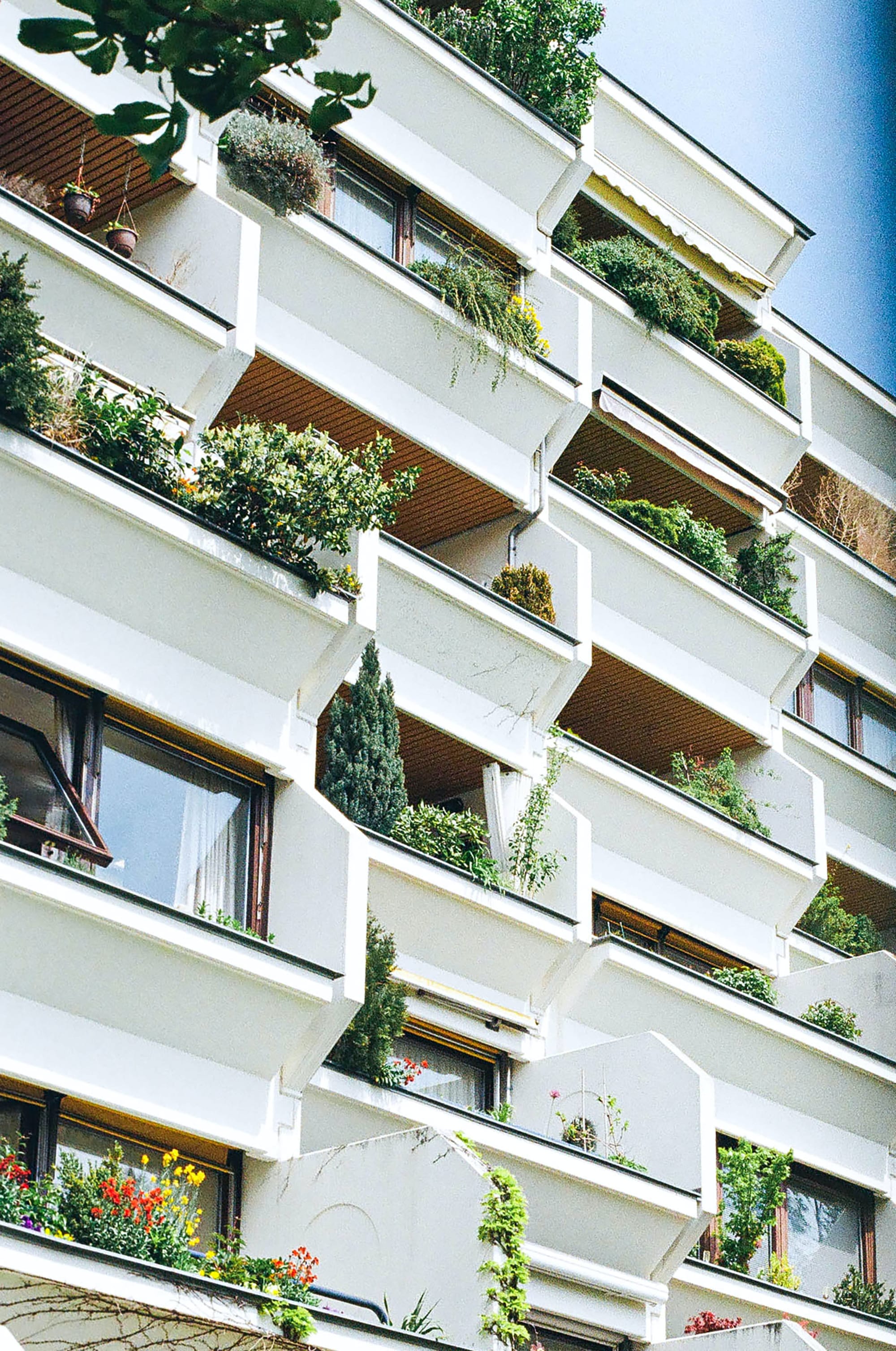
Green spaces in cities, ranging from parks, rooftop gardens, and community gardens to green facades on buildings, are revitalizing urban environments. These green spaces serve as a counterbalance to the relentless urban sprawl, offering a breath of fresh air, natural beauty, and numerous benefits for urban residents.
7 Benefits of Urban Green Spaces
- Improved Air Quality: Trees, plants, and greenery act as natural air filters, removing pollutants and providing fresh oxygen. The introduction of green spaces in cities can help mitigate the harmful effects of air pollution, ultimately improving public health.
- Enhanced Mental Wellbeing: Access to green spaces has a positive impact on mental health. Urban dwellers often find solace and stress relief in green oases. Natural surroundings promote relaxation and provide opportunities for recreation and social interaction, fostering a sense of community.
- Temperature Regulation: Urban areas are often "heat islands," with elevated temperatures due to concrete and asphalt absorbing and retaining heat. Green spaces, especially those with trees, offer shade and cool microclimates, reducing the urban heat island effect.
- Biodiversity: Urban green spaces create habitats for a variety of plant and animal species. These spaces can help support local ecosystems, increase urban biodiversity, and provide opportunities for environmental education.
- Increased Property Values: Proximity to green spaces is associated with higher property values. Well-designed urban green spaces can attract residents and tourists, boosting local economies and real estate markets.
- Urban Farming and Food Security: Community gardens and urban farming initiatives within green spaces contribute to food security and sustainability. These projects enable city dwellers to grow their own food, reduce their ecological footprint, and support local agriculture.
- Noise Reduction: Green spaces can act as natural sound barriers, reducing noise pollution from traffic and urban activities. The presence of trees and plants can create a more peaceful and tranquil urban environment.
The Role of Landscape Design and Architecture
The creation of green spaces in cities requires thoughtful landscape design and architectural planning. Professionals in these fields play a pivotal role in envisioning, designing, and implementing these projects. Here's how landscape design and architecture contribute to the development of urban green spaces:
Site Analysis:
Landscape architects and designers begin by assessing the site's characteristics, including its topography, soil conditions, and existing vegetation. This analysis informs decisions on layout, plant selection, and the integration of natural elements.
Functional Planning:
These professionals consider the intended functions of the green space. Will it be a tranquil park, a bustling community garden, or a recreation area? Landscape design and architecture ensure that the space meets the diverse needs of urban residents.
Ecological Considerations:
Green spaces should be ecologically sustainable and support local biodiversity. Landscape architects select native plant species, design wildlife-friendly habitats, and employ sustainable landscaping practices to minimize the environmental impact.
Aesthetics and Identity:
Landscape design and architecture contribute to the aesthetic appeal of green spaces. They define the character of the space through the choice of materials, plantings, and artistic elements, creating a unique identity that reflects the city's culture and history.
Accessibility and Inclusivity:
Urban green spaces must be accessible to all residents. Landscape architects ensure that pathways, seating, and facilities are designed with inclusivity in mind, allowing people of all ages and abilities to enjoy the space.
Sustainable Infrastructure:
Green spaces can incorporate sustainable infrastructure, such as rain gardens, permeable paving, and water-saving irrigation systems. These features help manage stormwater, conserve resources, and reduce environmental impact.
Art Integration:
Landscape design and architecture often involve the integration of art installations and sculptures into the green space. These artistic elements add visual interest and cultural value to the urban environment.
Maintenance Planning:
Landscape professionals develop maintenance plans to ensure the long-term sustainability and vitality of urban green spaces. Proper maintenance is essential to keep these areas attractive and functional.
The Future of Urban Green Spaces
As cities continue to grow, the importance of urban green spaces becomes increasingly evident. The collaboration between landscape architects, architects, urban planners, and local communities will be crucial in creating and maintaining these green oases. The future of urban design lies in harmoniously blending the concrete jungle with lush pockets of nature, offering residents and visitors a more balanced, healthy, and enjoyable urban experience. The green oasis amidst urban skyscrapers is not just a luxury but a necessity for our well-being and the sustainability of our cities.